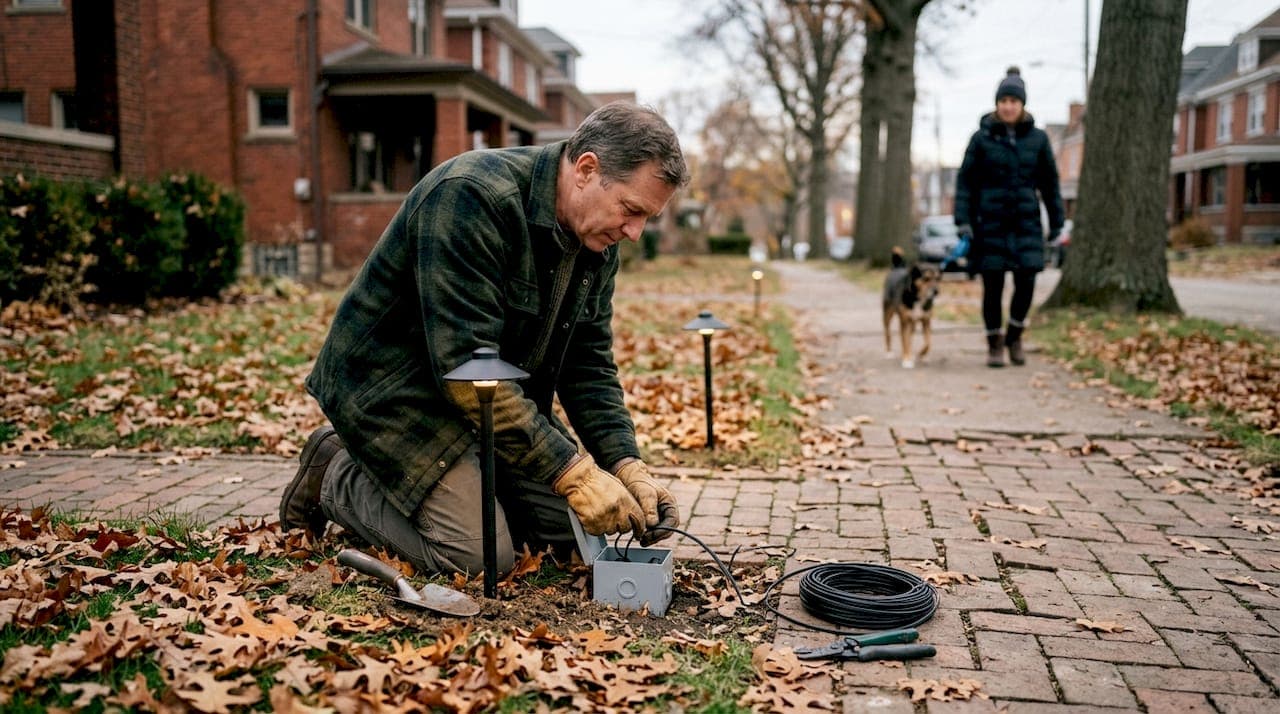
Your Pittsburgh home looks stunning during the day, but once the sun sets, a poorly lit yard can feel unsafe, uninviting, and like a missed opportunity for serious curb appeal. Dim pathways, shadowy entryways, and unlit landscape features don't just look bad — they create real hazards for your family and guests. This guide walks you through everything you need to know: understanding your system options, navigating Pittsburgh's electrical code requirements, planning your layout, and installing outdoor lighting that looks great and stays code-compliant. Whether you're tackling a small path project or a full landscape lighting overhaul, you'll finish with the knowledge to do it right.
Table of Contents
- Understanding outdoor lighting systems and Pittsburgh regulations
- Tools, materials, and planning your layout
- Step-by-step installation process
- Common mistakes, maintenance tips, and verifying your results
- Our perspective: Why professional lighting is a smart investment in Pittsburgh
- Enhance your Pittsburgh home — expert lighting solutions
- Frequently asked questions
Key Takeaways
| Point | Details |
|---|---|
| Check permit requirements | Pittsburgh’s rules change by system type, so always confirm local guidelines before starting. |
| Plan for durability | Invest in quality fixtures and smart layouts to maximize your lighting’s lifespan and safety. |
| Layer and test lighting | Mix path, uplight, and downlight fixtures, and always test at night to perfect coverage and avoid glare. |
| DIY wisely, hire as needed | Simple low-voltage setups are DIY-friendly, but pros deliver longer-lasting, code-compliant results for complex projects. |
Understanding outdoor lighting systems and Pittsburgh regulations
Before you purchase a single fixture, you need to understand the two main types of outdoor lighting systems and what local code says about each. Getting this wrong can mean fines, failed inspections, or a system that's genuinely dangerous.
Low-voltage vs. line-voltage systems
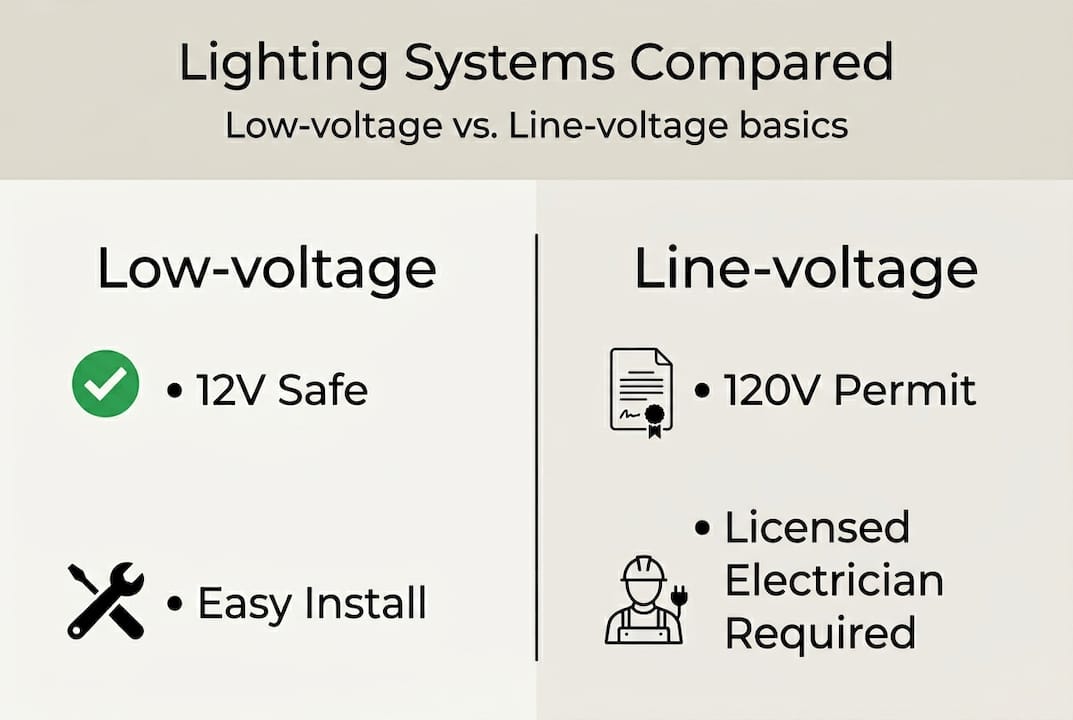
Low-voltage landscape lighting is the primary recommended system for homeowners because it runs on 12V, is far safer to handle, and plug-in setups often don't require a permit. Line-voltage systems run on 120V, the same power that runs your appliances, and carry real risk of electric shock if handled incorrectly.
Here's a quick comparison of the two:
| Feature | Low-voltage (12V) | Line-voltage (120V) |
|---|---|---|
| Safety | High | Moderate to low for DIY |
| Permit required | Often not (plug-in) | Yes, almost always |
| Brightness | Moderate | High |
| Best use | Landscape, path, accent | Floodlights, post lights |
| Installation difficulty | Beginner-friendly | Requires electrician |
Pittsburgh permit requirements
Residential electrical permits are required in Pittsburgh for new systems, modifications, or any line-voltage work. Low-voltage systems below 50V may fall under different scopes, but you should always verify with Pittsburgh's Permits, Licenses, and Inspections (PLI) office before starting.
Key Pittsburgh code factors to keep in mind:
- Permits: Required for 120V systems and new electrical service connections
- Wire burial depth: Low-voltage wires should be buried at least 6 inches; line-voltage requires 12 to 24 inches depending on conduit use
- GFCI protection: All outdoor receptacles must be GFCI-protected to prevent shock in wet conditions
- Fixture placement: Must not create glare onto neighboring properties or public roads
- Inspections: New line-voltage work requires inspection before covering or finishing
For more ideas on how lighting can transform the look of your home's exterior, see these building exterior lighting tips. You can also explore the broader nightscape lighting benefits to understand how a well-planned system raises property value and livability.
Pro Tip: Call Pittsburgh PLI at (412) 255-2175 before you start any outdoor electrical work, even low-voltage. A five-minute call can save you from costly corrections later.
Tools, materials, and planning your layout
Once you know what system you need and the rules you must follow, gather tools and carefully plan your layout. Rushing this stage is one of the most common reasons DIY projects end up looking improvised instead of polished.
What you'll need
| Tool or material | Purpose |
|---|---|
| Low-voltage transformer | Converts 120V to 12V for the system |
| LED landscape fixtures | Path lights, uplights, spotlights |
| 12-gauge outdoor wire | Connects fixtures to transformer |
| Wire connectors/stakes | Secure fixtures and connections |
| Flat spade or trenching tool | Buries wire cleanly along paths |
| GFCI outlet tester | Verifies outlet protection |
| Measuring tape and stakes | Maps fixture positions |
How to map your fixture placement
- Walk your yard at dusk and note which areas feel unsafe or too dark
- Mark focal points: trees, garden beds, pathways, entry areas, and architectural features
- Use string or garden stakes to simulate fixture positions before committing
- Measure total wire run from each fixture back to the transformer
- Calculate wattage load to avoid overloading the transformer (stay under 80% of rated capacity)
Experts recommend layering your lighting by combining path lights, uplights, and downlights. They also suggest using 2700–3000K warm white LEDs, which give off a natural glow instead of the harsh blue-white of cooler bulbs. For fixture materials, brass and copper hold up best against Pittsburgh's freeze-thaw cycles and wet winters.
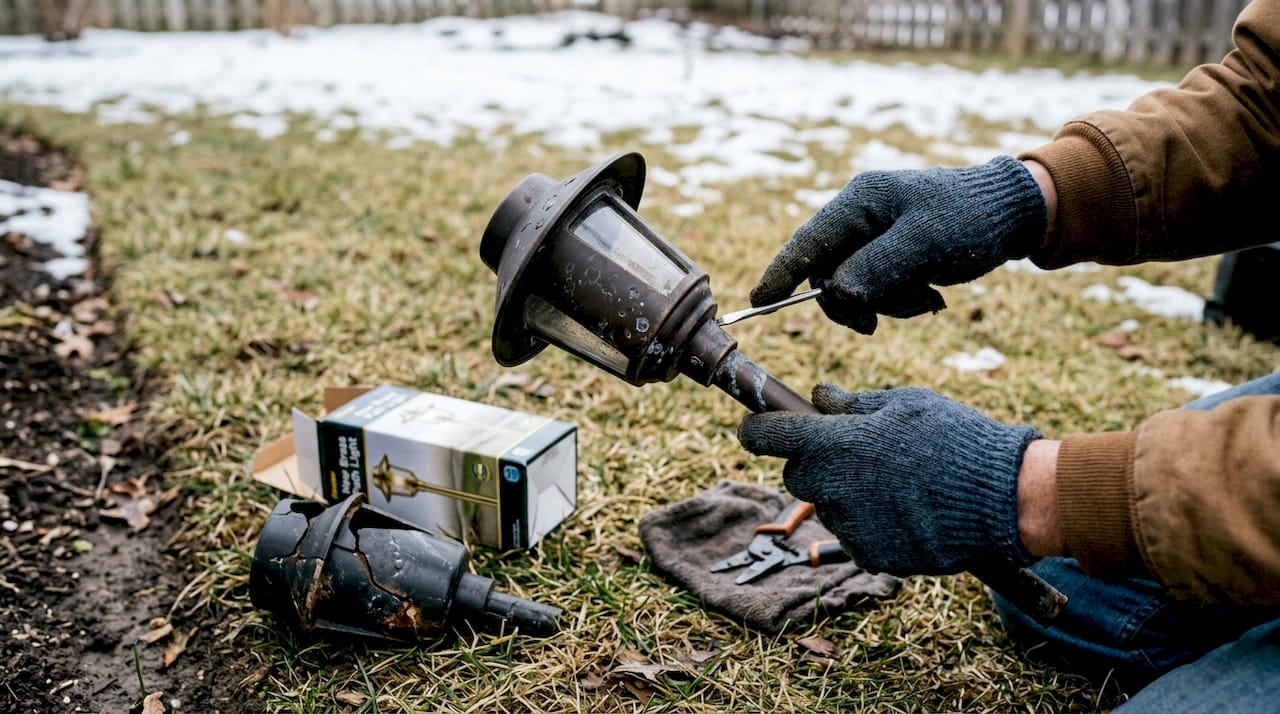
Pittsburgh's climate is genuinely tough on outdoor hardware. Cheap plastic fixtures crack in cold snaps and corrode in wet springs. Investing in weatherproof, corrosion-resistant materials at the start saves you a reinstall two winters from now. These lighting quality enhancements explain how material choice directly impacts long-term performance for Pittsburgh homeowners.
Also think about glare management. Fixtures aimed directly at eye level or pointed toward neighbors create discomfort and may violate local codes. Use shielded or directional fixtures to focus light where you want it.
Step-by-step installation process
After sketching your plan and assembling materials, it's time to bring your lighting vision to life — safely and correctly. Follow these steps in order and don't skip the testing phase at the end.
- Lay out fixtures before installing — Place fixtures at all marked positions without connecting anything. Stand back and confirm the layout looks right in daylight
- Install the GFCI outlet — If one isn't already present, have a licensed electrician add a GFCI-protected outdoor outlet; never skip this step
- Mount the transformer — Attach it to an exterior wall near the GFCI outlet, about 12 inches off the ground
- Run your wire — Lay the main wire from the transformer along your planned route, keeping it close to the edges of paths or beds
- Connect fixtures — Use manufacturer-supplied connectors to tap each fixture into the main wire; don't use indoor connectors outdoors
- Bury the wire — Use a flat spade to create a shallow trench (minimum 6 inches) and bury wire to protect it from lawn equipment and foot traffic
- Secure fixtures — Push stakes firmly into the ground and adjust fixture angles
- Set the timer — Program the transformer's timer to turn lights on at dusk and off after a set number of hours
- Test the system — Turn it on and check every fixture for proper function
Pittsburgh city code requires a permit for all new 120V outdoor electrical work, and inspections must occur before any wiring is buried or concealed. Skipping this step can result in fines and required tear-outs. Pittsburgh Residential Electrical Permits
Avoid the most common outdoor lighting mistakes by double-checking all wire connections before burial. Also consider adding a motion-activated lighting guide layer to boost security near entry points.
Pro Tip: Do your final walkthrough at night, not during the day. Glare, dark spots, and poorly aimed fixtures only reveal themselves after dark. Bring a notebook and adjust fixture angles before burying anything permanently.
If your project involves 120V wiring, conduit installation, or connecting to your home's electrical panel, stop and hire a licensed electrician. The risk simply isn't worth it.
Common mistakes, maintenance tips, and verifying your results
Once installed, a few checks and ongoing care can ensure your new lighting is both beautiful and reliable. Most systems that fail within the first two years do so because of preventable errors made during or after installation.
Common installation mistakes to avoid:
- Burying wire too shallow (under 6 inches), where it gets cut by edgers or shovels
- Ignoring voltage drop on long wire runs, causing fixtures at the far end to glow dimly
- Using loose or exposed wire connections that corrode and fail in wet weather
- Overloading the transformer by connecting more wattage than it's rated to handle
- Pointing fixtures directly at windows or the street, creating glare complaints
DIY mistakes and how to fix them
| Mistake | Fix |
|---|---|
| Dim lights at run's end | Use thicker wire or split into two runs from the transformer |
| Flickering fixtures | Tighten or replace corroded connectors |
| Tripped GFCI breaker | Check for moisture in connections; use weatherproof caps |
| Uneven light coverage | Reposition fixtures; add uplights to fill dark zones |
| Fixtures leaning or falling | Use longer stakes; tamp down soil around base |
Annual maintenance checklist:
- Clean fixture lenses with a damp cloth to remove dirt and oxidation
- Check all wire connections for corrosion after winter
- Inspect transformer timer settings after daylight saving time changes
- Replace any bulbs that have dimmed noticeably
- Rebury any wire sections that have surfaced due to soil movement
To confirm your system works the way you intended, test it on a clear night and walk every zone. Verify path coverage, check that focal points are properly lit, and confirm no fixture is creating unwanted glare. Also review your setup against Pittsburgh code to make sure everything remains compliant.
LEDs use 75% less energy than halogens and last 25 times longer, which means your maintenance burden drops significantly when you use quality LED fixtures from the start. These same systems boost curb appeal, safety, and long-term property value. Reviewing lighting mistakes to avoid before your first winter can save you a lot of frustration.
Our perspective: Why professional lighting is a smart investment in Pittsburgh
Here's the honest truth most DIY guides won't tell you: low-voltage kits are genuinely manageable for a simple path project. But the gap between a decent DIY result and a truly professional installation is larger than most homeowners expect — and in Pittsburgh, that gap costs real money over time.
Pittsburgh's climate is brutal on outdoor systems. Freeze-thaw cycles crack cheap connectors, frost heave shifts fixture angles, and spring rain finds every weak point in a wire connection. Professional-grade systems are designed with all of this in mind. They also reflect design training that turns a yard into something genuinely impressive after dark.
DIY outdoor lighting setups typically last 3–7 years before requiring major rework. Professionally installed systems routinely last 15–25 years. That's not a marginal difference — it's a complete rethink of the cost-benefit math. Add in the value of code compliance handled correctly from day one, and the pro installation advantages become hard to ignore.
The real payback isn't in the fixtures. It's in design quality, longevity, and never dealing with a failed inspection or a dark yard in January.
Enhance your Pittsburgh home — expert lighting solutions
If you've worked through this guide and realized your project is more complex than expected — or you simply want results that look like they were designed by a professional — Myriad Lighting is here to help. We specialize in residential outdoor lighting across Pittsburgh, from landscape and architectural lighting to roofline and holiday installations.

Our team handles everything: design consultation, permit coordination, weatherproof installation, and a final walkthrough to make sure every fixture performs exactly as planned. Whether you need Pittsburgh landscape lighting experts for a full yard transformation or trusted holiday lighting pros to handle seasonal installations, we've got you covered. Ready to get started? Request your free outdoor lighting quote today and let's make your home shine.
Frequently asked questions
Do I need an electrical permit for outdoor lighting in Pittsburgh?
A permit is required for line-voltage (120V) systems or any new electrical work, but low-voltage plug-in setups may not require one. Always confirm with PLI before beginning to avoid fines or required rework.
Is DIY outdoor lighting safe and durable?
DIY low-voltage kits are safe for simple projects when installed correctly, but professional systems last 15–25 years compared to just 3–7 years for typical DIY setups, making professional installation the stronger long-term choice.
What lighting color is best for Pittsburgh landscapes?
Experts recommend 2700–3000K warm LEDs for the best blend of visual warmth, aesthetics, and practical visibility across driveways, paths, and garden features.
How can I reduce energy costs when installing outdoor lighting?
LEDs use 75% less energy than halogens and last 25 times longer, making them the most cost-effective choice for any new outdoor lighting installation in Pittsburgh.