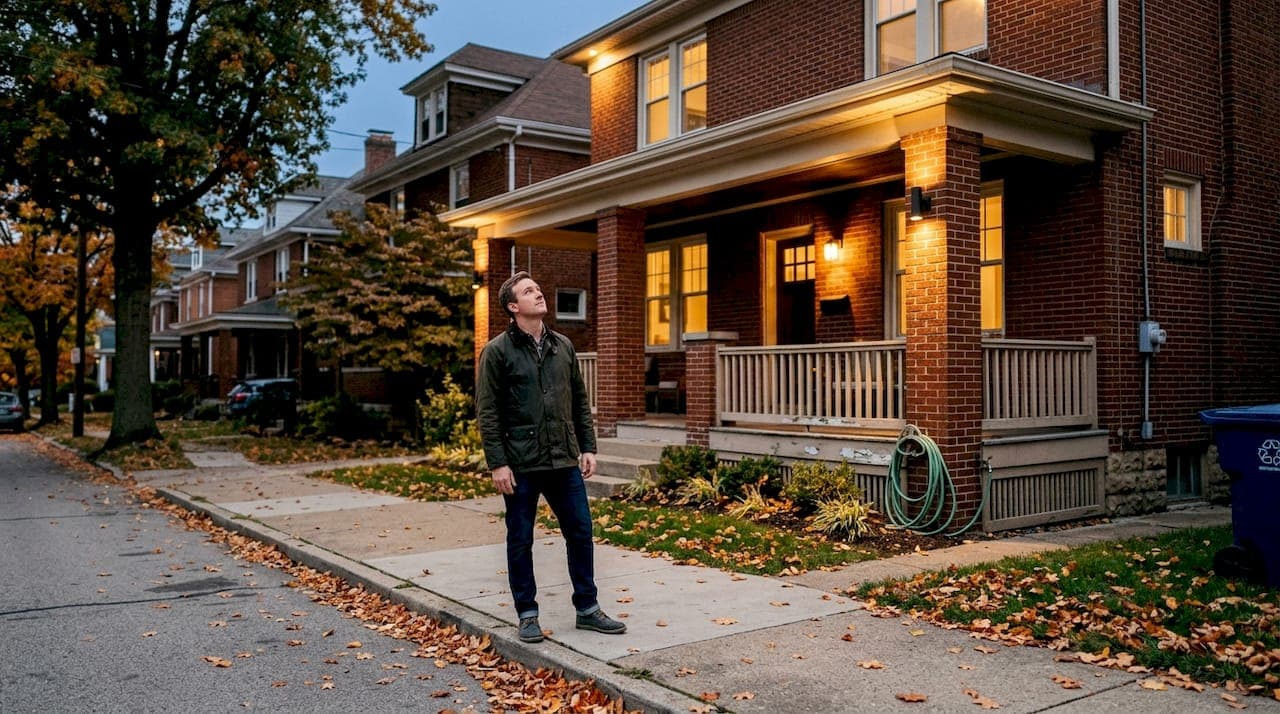
A dark, poorly lit exterior does more than make your home look forgotten. It signals vulnerability, erases architectural detail, and chips away at the curb appeal you've worked hard to build. Pittsburgh homeowners deal with an added layer of challenge: harsh winters, freeze-thaw cycles, and deeply shaded lots that can swallow even decent lighting setups whole. The good news is that a well-planned outdoor lighting system solves all of this at once. This guide walks you through every step, from setting your goals and picking the right fixtures to installation decisions and post-setup fine-tuning, so your property looks and feels exactly the way it should.
Table of Contents
- Identifying your lighting goals and assessing your exterior
- Choosing fixtures and materials designed for Pittsburgh weather
- Installation basics: Professional vs. DIY and safety essentials
- Testing, troubleshooting, and maximizing your lighting impact
- Why professional lighting design matters more than ever in Pittsburgh
- Start your Pittsburgh lighting transformation today
- Frequently asked questions
Key Takeaways
| Point | Details |
|---|---|
| Assess goals and features | Clarify if you want to boost curb appeal, security, or both before starting your lighting project. |
| Select weatherproof LED fixtures | Choose fixtures with IP65+ ratings and warm light for Pittsburgh’s tough seasons and welcoming look. |
| Plan for safety and codes | Understand when to call professionals and always follow local code and permit requirements during installation. |
| Maximize performance and savings | Test, adjust, and troubleshoot your new lighting for the best look and up to 90% lower energy use. |
Identifying your lighting goals and assessing your exterior
Before you buy a single fixture, get clear on what you actually want your lighting to do. Some homeowners want pure curb appeal, a home that looks warm and welcoming from the street at night. Others prioritize security, making sure every entry point, path, and dark corner is covered. Most want both. Knowing which goal leads helps you make smarter decisions about fixture placement, brightness, and color temperature.
Start by walking your property after dark. Bring a flashlight and look for the spots that feel uncomfortable or visually flat. Note which architectural features disappear at night, which paths feel unsafe, and where your landscaping goes completely unnoticed. Pittsburgh's hilly terrain and mature tree canopy can create deep shadow zones that a simple porch light won't touch.
Here's a quick reference to match lighting types with common homeowner goals:
| Lighting type | Best for | Key feature |
|---|---|---|
| Path lights | Safety and navigation | Low-level, directional |
| Uplights | Curb appeal, trees, facades | Dramatic accent effect |
| Floodlights | Security coverage | Wide beam, motion-activated |
| Step lights | Entry safety | Recessed, subtle |
| String/roofline lights | Festive and architectural appeal | Warm ambiance |
Once you've identified your goals, factor in Pittsburgh-specific conditions. Winter snow accumulation, wet springs, and shaded lots all affect fixture placement and durability. Check where your outdoor electrical outlets are located and whether they're GFCI-protected (ground fault circuit interrupter, a safety device that cuts power if moisture is detected). These details shape your installation plan before you spend a dollar.
- Prioritize entry points, driveways, and walkways first
- Identify architectural features worth highlighting (gables, columns, stonework)
- Note areas where tree cover creates persistent darkness
- Mark existing outlet locations and extension constraints
- Consider how snow drift and ice buildup might affect low-mounted fixtures
For LED exterior lighting benefits, look for fixtures rated for 75-90% energy savings with a lifespan exceeding 50,000 hours and IP65 or higher weather resistance, paired with a warm color temperature of 2700-3000K for a welcoming residential feel.
Pro Tip: Sketch a simple overhead map of your property and shade in the dark zones you found during your nighttime walkthrough. This becomes your lighting blueprint and prevents you from missing coverage gaps later.
Choosing fixtures and materials designed for Pittsburgh weather
With your goals outlined, it's time to find the right fixtures that withstand Pittsburgh's challenging seasons. Pittsburgh is not a forgiving climate for outdoor equipment. Temperatures swing dramatically, moisture is constant, and ice can work its way into poorly sealed fixtures and crack them from the inside out.
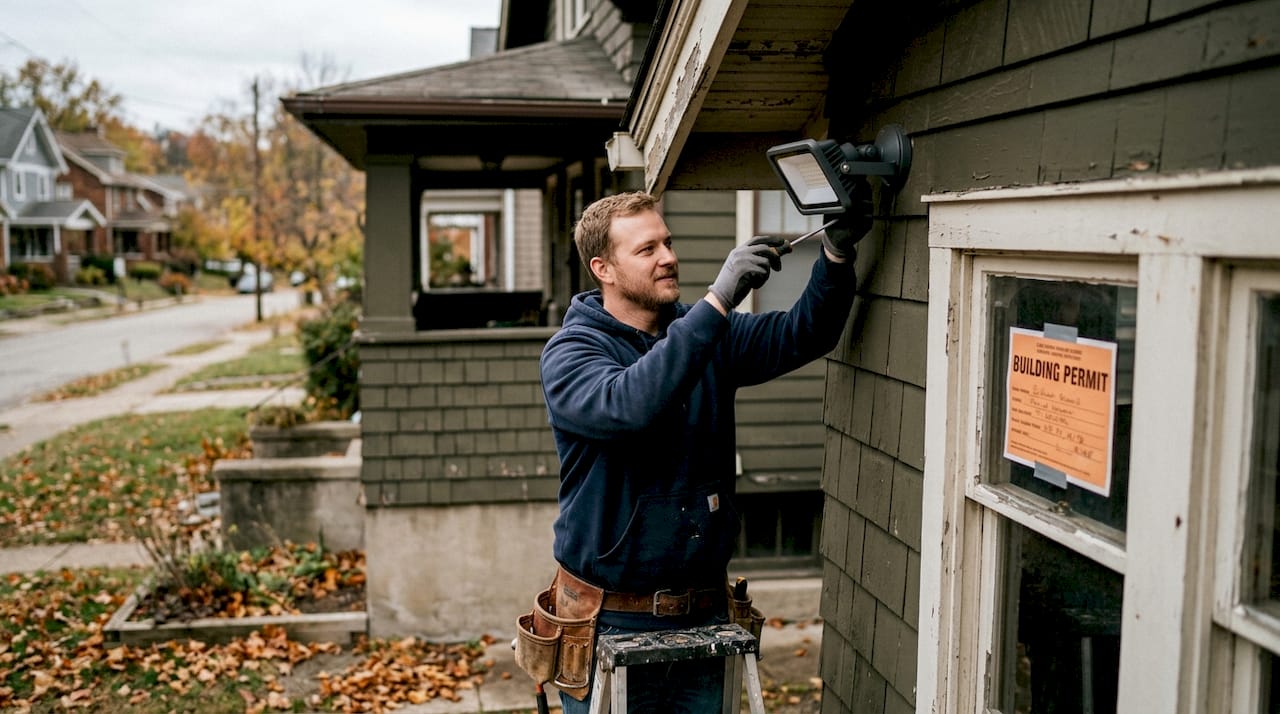
The single most important spec to check is the IP rating. IP65 means the fixture is fully protected against dust and can handle water jets from any direction. That's the minimum for Pittsburgh. Anything lower risks failure within a season or two. Look for fixtures made from marine-grade aluminum, solid brass, or powder-coated steel. These materials resist the corrosion that Pittsburgh's freeze-thaw cycles accelerate in cheaper zinc or plastic housings.
Color temperature matters as much as durability. Warm light in the 2700-3000K range makes your home look inviting and rich at night. Cooler light above 4000K is sharper and better suited to security zones like driveways or back gates where visibility matters more than ambiance. Mixing the two strategically gives you both.
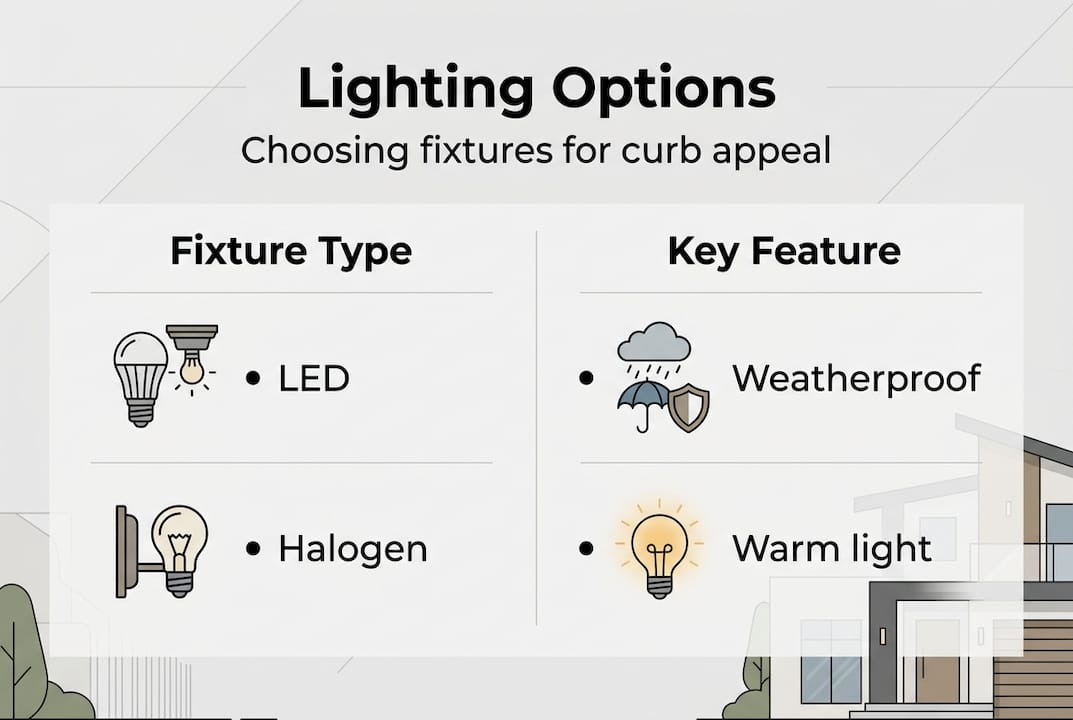
Here's how the main fixture types compare:
| Feature | LED | Halogen | Solar |
|---|---|---|---|
| Energy use | Very low | High | None (sun-dependent) |
| Lifespan | 50,000+ hours | 2,000-5,000 hours | 1,000-3,000 hours |
| Weather resistance | Excellent (IP65+) | Moderate | Variable |
| Upfront cost | Moderate | Low | Low to moderate |
| Performance in winter | Excellent | Good | Poor (low sun exposure) |
Solar fixtures are popular, but Pittsburgh's overcast winters make them unreliable. They simply don't get enough sunlight to charge properly from November through March. LED hardwired or low-voltage systems are far more dependable year-round.
Key features to look for in any fixture you buy:
- IP65 or higher ingress protection rating
- Corrosion-resistant housing (aluminum, brass, or coated steel)
- Warm CCT of 2700-3000K for residential areas
- Shielded beam design to prevent glare
- Compatibility with dimmer systems or smart controls
For guidance on IP65-rated fixture tips, consult a local lighting professional who understands Pittsburgh's specific code requirements and seasonal demands.
Pro Tip: Always verify that your chosen fixtures are listed with UL or ETL (independent safety testing organizations) for outdoor wet locations. A fixture rated for "damp" locations only is not built for Pittsburgh winters.
Installation basics: Professional vs. DIY and safety essentials
After selecting the right products, installation is the next hurdle. Choosing DIY or bringing in a Pittsburgh pro makes a big difference in both safety and long-term results.
Low-voltage LED landscape systems, typically running on 12 volts through a transformer, are the most DIY-friendly option. They're safer to work with, easier to reposition, and don't require an electrician's license. However, hardwired fixtures connected directly to your home's electrical system are a different story. These require GFCI-protected outdoor circuits and, in most cases, a licensed electrician to install legally and safely.
Safety note: Never connect hardwired outdoor fixtures to an unprotected indoor circuit. Pittsburgh's wet conditions make outdoor GFCI protection mandatory, not optional. Skipping this step creates a serious shock hazard and will fail any home inspection.
Pittsburgh also has specific permitting requirements for electrical work. A licensed local installer handles this automatically, which saves you from fines or required rework down the road. Local installation requirements in Pittsburgh also account for frost depth and cold-weather wiring practices that most DIY guides overlook.
Here's what to expect from a professional installation process:
- Initial consultation and property walkthrough to map fixture placement
- Design plan review showing fixture types, locations, and wiring routes
- Permit filing with the city if required for hardwired systems
- Trenching or concealed wiring installation with minimal disruption to landscaping
- Fixture mounting and aiming, with hidden wire management
- Transformer or panel connection with GFCI protection verified
- Nighttime test walk to confirm coverage, brightness, and beam direction
- Final adjustments and homeowner walkthrough of controls
For safe installation for residential lighting, working with a Pittsburgh-based professional means your system is built to handle the local climate from day one, without shortcuts that cost you more later.
Testing, troubleshooting, and maximizing your lighting impact
With your new exterior lighting in place, ensure it performs beautifully and securely through careful adjustment and troubleshooting. The real test of any lighting system happens at night, in the rain, and after the first hard freeze.
Spend time outside after dark on the first few nights after installation. Walk every path, stand at the street and look at your home, and check every entry point. What looks great on paper sometimes creates unexpected glare or leaves a corner darker than expected. This is normal, and it's fixable.
Upgrading to LED delivers up to 90% energy savings compared to traditional incandescent or halogen systems, with a lifespan exceeding 50,000 hours. That means dramatically lower utility bills and far fewer bulb replacements over the life of your system.
Common issues to watch for and fix:
- Glare near windows: Redirect beam angles downward or add shields to fixtures pointing toward living spaces
- Hotspots on walls: Move uplights farther from the surface or reduce wattage
- Underlit paths: Add intermediate fixtures or increase transformer output
- Flickering lights: Check transformer load capacity and wire connections
- Motion sensor false triggers: Adjust sensitivity settings and aim sensors away from trees
Follow these steps after installation to dial in your system for making lighting reliable year-round:
- Test all zones separately at night to isolate any problem areas
- Adjust fixture angles in small increments and recheck from the street
- Set timer or smart controls to match your actual daily schedule
- Check all connections after the first freeze-thaw cycle
- Clean fixture lenses seasonally to maintain full light output
- Inspect wiring and stakes after winter to catch frost heave damage early
A well-maintained LED system requires very little attention once it's dialed in. The investment pays for itself quickly in energy savings and avoided replacement costs.
Why professional lighting design matters more than ever in Pittsburgh
After mastering the basics of installation and troubleshooting, it helps to understand what separates everyday setups from truly outstanding exterior lighting. Here's our honest take: most DIY lighting projects look fine for the first season and then start to show their limits.
Pittsburgh's neighborhoods are architecturally diverse. A Craftsman bungalow in Shadyside needs a completely different lighting approach than a modern build in Fox Chapel or a stone colonial in Mount Lebanon. Cookie-cutter fixture kits from big-box stores don't account for any of that. They give you generic results on a property that deserves something specific.
Professional designers who know Pittsburgh understand frost depth, local code quirks, and how the city's hilly topography creates unique sight lines and shadow patterns. They also know how to hide wiring cleanly, which is something most DIY installs struggle with. Exposed conduit and visible wire runs undercut the visual impact of even the best fixtures.
The long-term math also favors professional work. A system designed correctly from the start lasts longer, requires fewer repairs, and delivers better energy efficiency than one that's been patched and adjusted over time. For expert custom lighting solutions built specifically for your property, the upfront investment in professional design pays dividends every single night.
Pro Tip: Ask your lighting designer to show you a nighttime rendering or reference photos from similar Pittsburgh properties before installation begins. Seeing the expected result helps you make better decisions about fixture placement and style.
Start your Pittsburgh lighting transformation today
Ready to make your property shine? Here's how local professionals can help your vision become reality.
At Myriad Lighting, we design and install outdoor lighting systems built specifically for Pittsburgh homes. From roofline and landscape lighting to architectural accents and holiday displays, every project starts with a detailed consultation and ends with a nighttime walkthrough to make sure everything looks exactly right.
When you work with us, you get hidden wiring, weather-resistant fixtures, and a system designed to transform outdoor spaces through every Pittsburgh season. Enhanced curb appeal, stronger security, and lower energy costs are all part of the result. Take the first step and get a lighting quote from our team today. Your home deserves to look as good at night as it does during the day.
Frequently asked questions
What is the best type of light fixture for Pittsburgh's winter weather?
IP65-rated LED fixtures are the top choice for Pittsburgh winters, offering maximum protection against snow, ice, and moisture while delivering reliable performance through every freeze-thaw cycle.
How do I avoid outdoor lighting glare near windows?
Choose fixtures with built-in beam shields and direct the light downward or away from interior living spaces to eliminate uncomfortable glare at eye level.
Do I need a permit for exterior lighting in Pittsburgh?
Hardwired exterior lighting systems typically require an electrical permit in Pittsburgh, and professional installers handle permits as part of the installation process to keep your project code-compliant.
How much energy can I save by switching to LED?
LED fixtures can reduce your outdoor lighting energy use by up to 90% compared to traditional halogen or incandescent options, with a lifespan that far outlasts both.