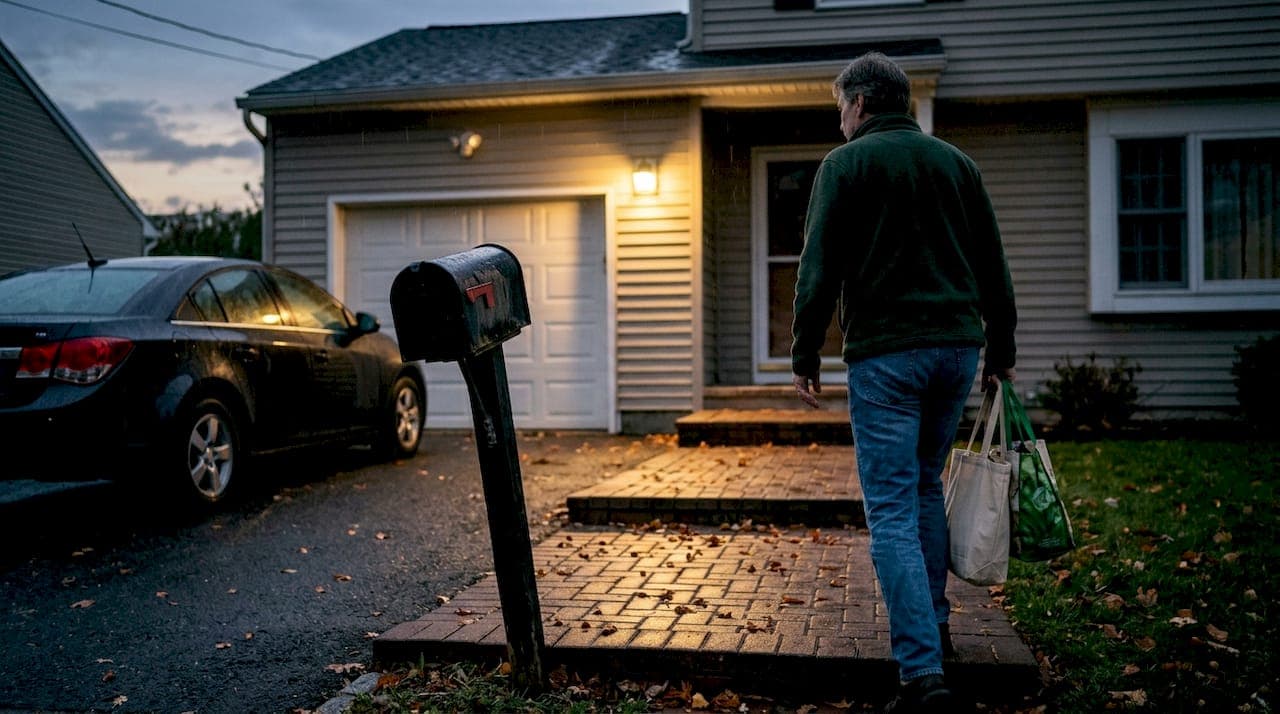
Motion-activated outdoor lighting is one of the most underrated upgrades a Pittsburgh homeowner can make. Most people assume these systems are purely for security, but that's only part of the story. The right setup can cut your outdoor energy bill significantly, guide guests safely up your walkway, and make your landscaping look stunning after dark without leaving lights burning all night. If you've been putting this off because it seems complicated or expensive, you'll find that the reality is far more approachable and rewarding than the myth.
Table of Contents
- How motion-activated outdoor lighting works
- The benefits: Safety, savings, and beauty
- False triggers and compliance: What to watch out for
- Choosing and maintaining your motion-activated lighting
- Our take: The real value of smart outdoor lighting
- Ready to upgrade your Pittsburgh home's lighting?
- Frequently asked questions
Key Takeaways
| Point | Details |
|---|---|
| Big energy savings | Motion-activated outdoor lights can cut household lighting costs by up to 80%. |
| Enhanced safety | These lights deter intruders and make walkways safer at night for your family and guests. |
| Meets Pittsburgh rules | Local ordinances promote motion sensors and require shielded, downward-facing light fixtures. |
| Reduces hassles | Modern sensors minimize false triggers and are easy to adjust for seasons and activities. |
| Boosts curb appeal | Motion-activated lighting can highlight your home’s best features and create a welcoming environment. |
How motion-activated outdoor lighting works
At its core, a motion-activated light is simple: it stays off until something moves nearby, then it turns on. But the technology behind that reaction matters a lot when you're choosing a system for your home.
The two most common sensor types are passive infrared (PIR) and microwave sensors. PIR sensors detect heat signatures. When a warm body, like a person, a pet, or even a car engine, moves through the sensor's field of view, it picks up the change in infrared radiation and triggers the light. Microwave sensors emit radio waves and detect motion by measuring how those waves bounce back. They cover a wider area and can even detect movement through walls or around corners.
Many modern fixtures use dual-technology sensors that combine both methods. This setup reduces false alarms significantly, because the light only activates when both sensors agree that something is moving. For residential landscape lighting, this precision matters, especially when you want the light to respond to a person walking up the driveway but not every time a branch sways in the wind.
Once triggered, the light stays on for a set duration, typically between 30 seconds and 20 minutes, depending on your settings. Most fixtures let you adjust three key parameters:
- Sensitivity: How easily the sensor triggers. Lower sensitivity ignores small animals; higher sensitivity catches subtle movement.
- Duration: How long the light stays on after motion stops.
- Range: The detection distance, often between 15 and 70 feet depending on the model.
One of the biggest practical advantages is that these systems work with many existing fixtures. You don't always need a full rewire. Plug-and-play sensor adapters can retrofit older setups quickly. And because the light is only on when needed, motion-activated lights save 35-80% energy compared to continuous lighting, which adds up fast over a Pittsburgh winter when outdoor lights run long hours.
The benefits: Safety, savings, and beauty
Now that you know the basics, here's what motion sensors actually deliver for a homeowner.
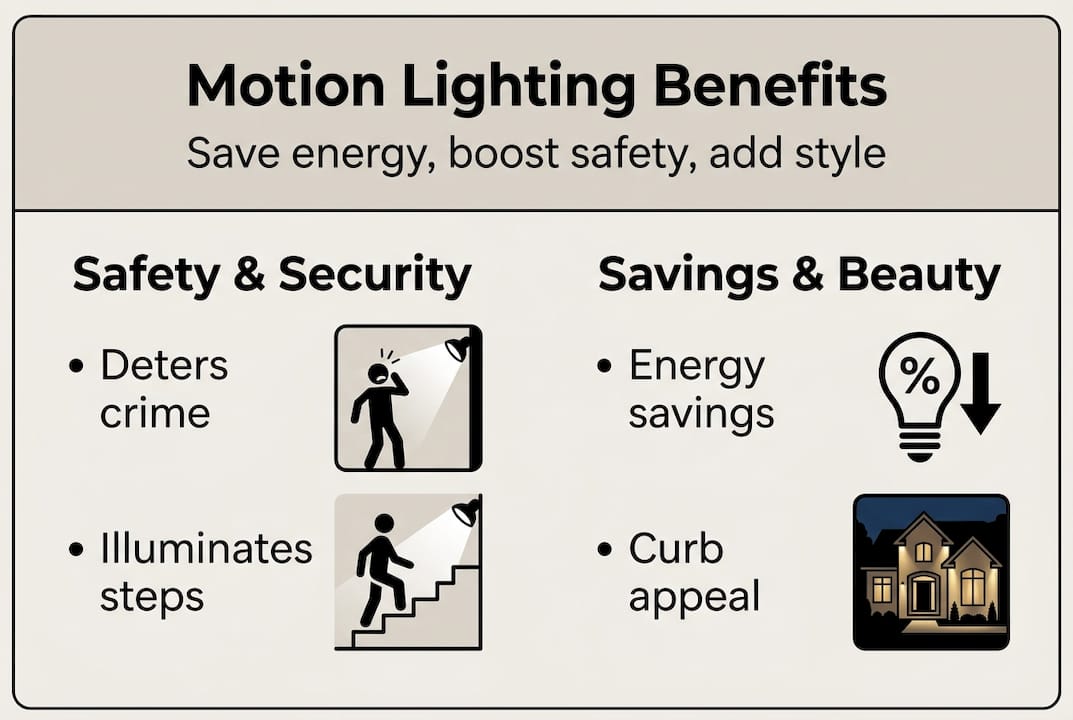
Safety is the most obvious win. A light that snaps on when someone approaches your front door, garage, or side yard is a powerful deterrent. Intruders prefer darkness. Beyond security, motion lights guide your family and guests safely along walkways and steps, especially important during Pittsburgh's icy winters when a misstep can cause a serious fall.
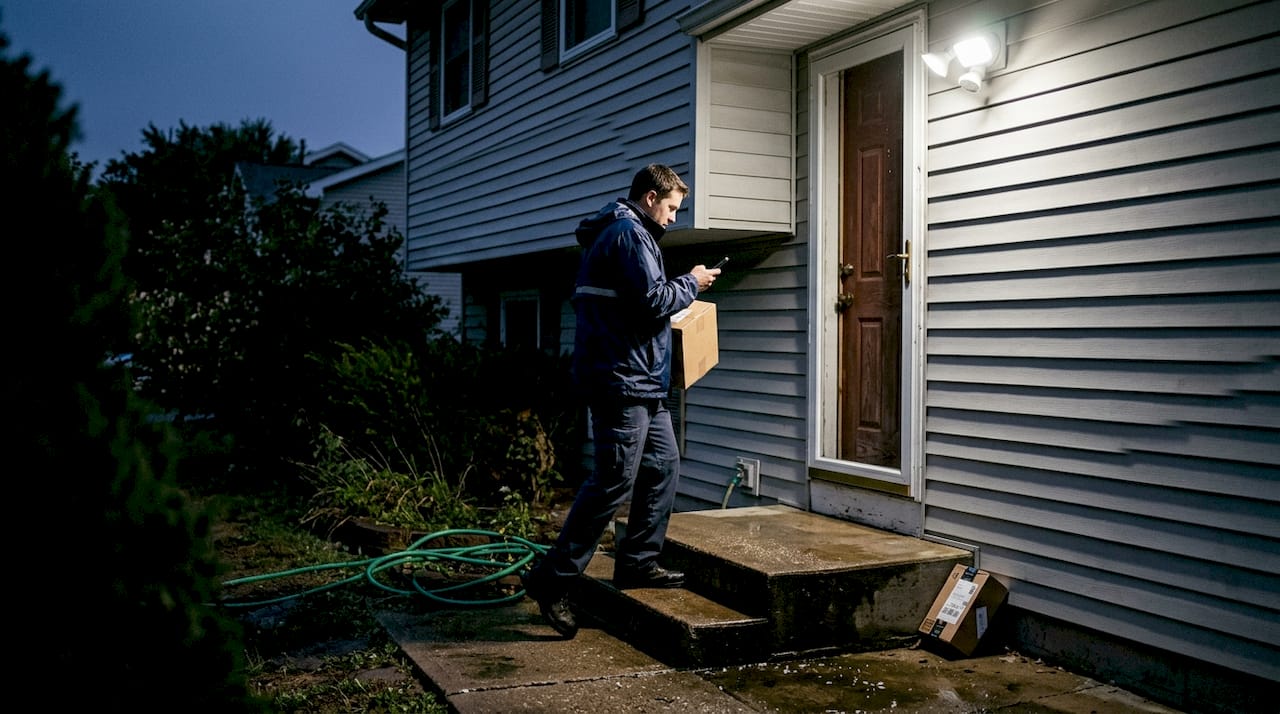
The financial case is strong. Households can save up to $225 annually with LED motion-activated lighting, with a return on investment typically reached within 18 months to 3 years. That's a meaningful payback for a relatively modest upfront cost.
| Lighting type | Avg. monthly cost | Annual cost |
|---|---|---|
| Always-on incandescent | $18-$30 | $216-$360 |
| Always-on LED | $6-$12 | $72-$144 |
| Motion-activated LED | $1.50-$4 | $18-$48 |
The numbers speak for themselves. Motion-activated LED is the clear winner on operating cost.
Key stat: Switching to motion-activated LED outdoor lighting can reduce outdoor lighting energy use by up to 80%, making it one of the fastest-payback home upgrades available.
Beyond safety and savings, these systems add genuine curb appeal. A well-placed motion light can highlight your landscaping, accent your home's architecture, and create a welcoming atmosphere that impresses visitors. Think of outdoor lighting upgrades as part of your home's overall design, not just a utility.
Convenience is another underappreciated benefit. You never have to remember to flip a switch. Lights come on when you need them and go off when you don't. This is especially useful for busy families and for seasonal setups like holiday lighting solutions that run on a schedule.
Pro Tip: Pair motion-activated lights with a photocell sensor so the system only activates after dark. This prevents daytime triggers and saves even more energy.
False triggers and compliance: What to watch out for
While these systems offer many advantages, they aren't foolproof. Here's what every homeowner should know before installation.
False triggers are the most common complaint. You've probably experienced it: the light flicks on for no obvious reason. Common culprits include:
- Pets and wildlife moving through the detection zone
- Blowing leaves or branches swaying in the wind
- Passing cars on a nearby street reflecting heat or motion
- Vibrations from HVAC units or nearby traffic
The fix is usually straightforward. Adjusting the sensitivity setting down, repositioning the sensor to face away from the street, or raising the mounting height to narrow the detection angle all help. Dual-tech sensors, as mentioned earlier, are the most reliable solution for persistent false triggers.
Compliance is a separate but equally important issue. Pittsburgh and surrounding communities, including Greensburg, follow Pittsburgh outdoor lighting rules that include dark sky provisions. These rules require:
- Fixtures must be shielded so light doesn't scatter upward
- Light must be directed downward toward the ground
- No light trespass onto neighboring properties
- Motion sensing is strongly encouraged to minimize unnecessary illumination
Ignoring these rules isn't just a legal risk. It's also a neighbor relations issue. Light spilling into someone's bedroom window is a fast way to create conflict on your street.
"Dark sky regulations aren't just bureaucratic rules. They protect the quality of life for everyone in the neighborhood and reduce energy waste at a community level."
Understanding local lighting regulations before you buy fixtures saves you from costly replacements later. If you're unsure whether your planned setup complies, consulting a professional before installation is the smartest move. For troubleshooting outdoor lights that are already installed, a pro can recalibrate sensors and reposition fixtures to meet current code.
Pro Tip: Mount sensors at 6 to 10 feet above the ground for the best balance between coverage and false-trigger reduction. Too low and pets set it off constantly. Too high and you lose sensitivity to ground-level movement.
Choosing and maintaining your motion-activated lighting
Confident with the regulations and common pitfalls, the next step is getting the right system in place and keeping it working.
Choosing the right fixture starts with three questions: What area do you need to cover? What's the weather exposure? And do you need the light to blend into your home's design or simply function as a utility?
For most Pittsburgh homes, LED fixtures rated at least IP65 (meaning dust-tight and protected against water jets) are the right choice. They handle rain, snow, and temperature swings without failing. Look for fixtures with an adjustable detection range of at least 30 feet and a sensitivity dial you can access without a ladder.
Installation steps to follow:
- Turn off power at the circuit breaker before touching any wiring
- Mount the fixture at the recommended height (6 to 10 feet)
- Aim the sensor downward and slightly toward the area you want to cover
- Set sensitivity to medium and duration to 1 to 2 minutes as a starting point
- Test during the day using the manual override, then fine-tune at night
For ongoing maintenance, keep these habits in mind:
- Clean the sensor lens every 2 to 3 months. Dirt and spider webs are the most common cause of erratic behavior.
- Check mounting hardware after heavy storms. Pittsburgh winters can loosen screws and shift fixture angles.
- Adjust sensitivity seasonally. In fall, blowing leaves trigger more false alarms. Lowering sensitivity slightly in October saves headaches.
- Inspect wiring connections annually, especially in exposed locations.
Proper placement and tuning reduces false alarms and keeps your setup aligned with dark sky rules year-round. For maintaining outdoor sensors, a quick seasonal checkup takes less than 20 minutes and prevents most problems before they start.
Pro Tip: If your light starts triggering randomly after working fine for months, clean the sensor lens first. It solves the problem about 60% of the time without any other adjustment.
Our take: The real value of smart outdoor lighting
With everything covered, here's what many overlook about motion-activated outdoor lighting.
Most homeowners treat these systems as a security bolt-on. Install a floodlight above the garage, done. But that framing sells the technology short. Motion-activated lighting, when designed thoughtfully, changes how you use your outdoor space. You linger on the patio longer because the light comes on automatically. You feel safer walking to the car at midnight. Your home looks polished and intentional from the street.
The bigger picture is sustainability. When your neighbors also switch to motion-activated, downward-facing LED fixtures, the whole block benefits from less light pollution, lower collective energy use, and a more pleasant nighttime environment. That's a neighborhood-level win that starts with one homeowner's decision.
We also see this as part of a broader shift toward smarter, more intentional landscape design impact. Lighting isn't just functional. It's part of how your home presents itself to the world. Getting it right is worth the investment.
Ready to upgrade your Pittsburgh home's lighting?
If you're ready to light up your outdoor space and enjoy the benefits covered above, here's how to get started.
At Myriad Lighting, we work with Pittsburgh homeowners to design and install motion-activated systems that look great, meet local code, and actually work the way you need them to. Our landscape lighting experts handle everything from sensor placement to hidden wiring, so your property looks clean and professional from day one.

Whether you want to enhance everyday curb appeal or add a layer of safety and convenience, we'll build a custom plan around your home's specific layout and goals. Request a quote today and let's talk about what the right lighting setup looks like for your property.
Frequently asked questions
How much energy can motion-activated outdoor lighting save compared to always-on lights?
Motion-activated outdoor lights can cut energy use by 35 to 80%, often saving up to $225 per year for an average household depending on usage patterns and fixture type.
What are common causes of false triggers for motion sensors?
False triggers typically come from pets, blowing leaves, passing cars, or vibrations. Adjusting sensitivity settings or correcting sensor placement usually resolves these issues quickly.
Are there special rules for outdoor lighting in Pittsburgh?
Yes, Pittsburgh's dark sky regulations require downward-facing, shielded fixtures and strongly encourage motion-sensor activation to reduce light pollution across residential neighborhoods.
Can I install these systems myself or do I need a professional?
Many homeowners can handle plug-and-play motion lights without special skills, but complex wiring, code compliance, or multi-zone systems are best handled by a licensed professional.
Will weather affect the reliability of outdoor motion sensors?
Weather-resistant models rated IP65 or higher perform well year-round in Pittsburgh's climate, though regular cleaning and seasonal adjustments help prevent issues caused by rain, snow, or accumulated dirt.