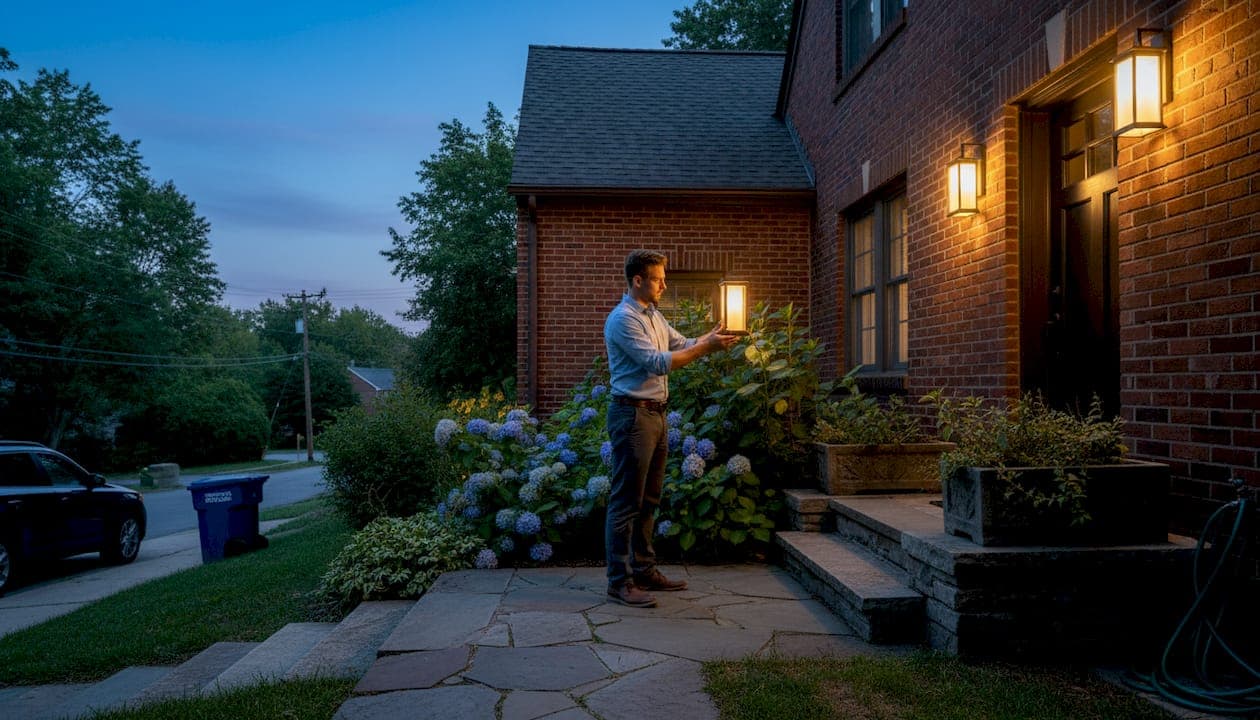
Your home's exterior makes its first impression before anyone steps through the door, and in Pittsburgh's varied neighborhoods, getting that impression right means more than just installing a few porch lights. Balancing curb appeal, personal safety, and local code compliance is genuinely challenging, especially when every Pittsburgh community can have its own set of ordinances and expectations. This article walks you through evidence-based outdoor lighting best practices, from foundational criteria and proven techniques to common mistakes and Pittsburgh-specific considerations, so you can make confident, informed decisions about your property's lighting.
Table of Contents
- Key criteria for effective outdoor lighting
- Top lighting techniques for Pittsburgh homes
- Avoiding common outdoor lighting mistakes
- Special considerations for Pittsburgh properties
- Our perspective: Balancing beauty, safety, and code in Pittsburgh lighting
- Expert help for your Pittsburgh lighting project
- Frequently asked questions
Key Takeaways
| Point | Details |
|---|---|
| Local code compliance | Outdoor lighting must follow Pittsburgh’s regulations for shielding and direction to prevent light trespass. |
| Avoid overlighting | Too much light will wash out landscaping and may create glare for neighbors or windows. |
| Layered lighting improves results | Combining ambient, task, and accent lights creates both safety and beauty in outdoor spaces. |
| Professional installation matters | Expert installation ensures wiring safety and code compliance, especially with changing seasons. |
Key criteria for effective outdoor lighting
Before you choose a single fixture or plan a wire route, you need a clear framework. Effective outdoor lighting rests on four pillars: safety, aesthetics, code compliance, and durability. Skipping any one of them tends to create problems that are expensive and frustrating to fix later.
Safety comes first. Your outdoor lighting should eliminate dark zones along walkways, entrances, and driveways. A well-lit path prevents trips and falls during Pittsburgh's icy winters, and a brightly lit entry point discourages opportunistic crime. Poorly lit steps are one of the most overlooked hazards in residential design, yet fixing them is often as simple as adding low-voltage step lights or path fixtures at consistent intervals.
Aesthetics are equally important. Strategic placement and layered lighting (using multiple fixture types at different heights and angles) can transform a flat, ordinary facade into something with real visual depth. Quality outdoor lighting does more than illuminate; it reveals texture in stonework, frames mature trees, and draws the eye toward architectural features you are proud of.
Code compliance is non-negotiable. Pittsburgh-area communities increasingly adopt dark sky rules to reduce light pollution. For example, Greensburg's dark sky regulations require fully shielded fixtures that direct light downward, preventing spillover onto neighboring properties and into the night sky. Ignoring these codes can result in fines or forced removal of your fixtures. Always check local ordinances before purchasing equipment.
Durability matters more than people expect. Pittsburgh weather is no joke. Wet springs, frigid winters, and humid summers test every outdoor fixture. Look for IP65 or higher weatherproof ratings (IP65 means the fixture is dust-tight and protected against water jets), and choose fixtures made from marine-grade aluminum, copper, or high-impact polymer. Cheap fixtures that corrode or crack within a season end up costing far more than quality replacements.
- Illuminate all transition zones: driveways, paths, steps, and entryways
- Use layered lighting to create depth rather than flat, uniform brightness
- Verify shielding requirements with your local municipality
- Select fixtures with an IP65 or higher weatherproof rating
- Consider smart home lighting ideas for added control and energy savings
Stat callout: Homes with well-designed exterior lighting can see a measurable boost in perceived property value, with curb appeal improvements directly influencing buyer interest at resale.
Pro Tip: Always review professional lighting design features before finalizing your fixture list. What looks great in a showroom often behaves very differently installed against a brick facade at night.
Top lighting techniques for Pittsburgh homes
With the criteria established, it's time to explore specific lighting techniques that Pittsburgh homeowners can use to get the most from their investment.
Layered lighting is the single most impactful strategy you can apply. It means combining three distinct types of light: ambient (general illumination), task (focused, functional light), and accent (decorative highlighting). When these layers work together, they create a sense of dimension that single-source lighting simply cannot achieve.
Ambient lighting sets the overall mood of your exterior. Overhead fixtures, lanterns, and post lights provide broad coverage and ensure the space feels welcoming rather than stark. For Pittsburgh homes with deep front porches or covered entries, ambient lighting is especially important because the overhang can create heavy shadows that feel unwelcoming.
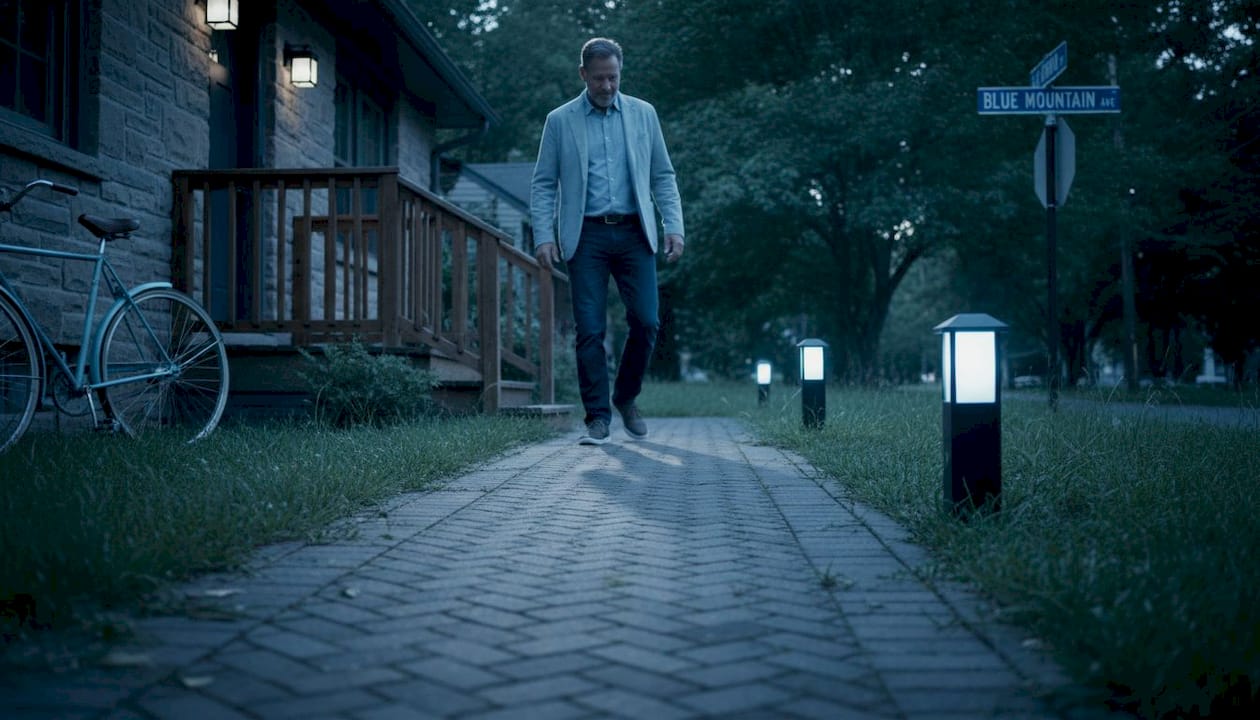
Task lighting focuses on functional areas. Steps, address numbers, lock mechanisms, and garage entries all benefit from direct, purposeful light. A well-lit set of front steps tells guests exactly where to walk and prevents accidents during Pittsburgh's frequently wet or icy evenings.
Accent lighting is where design gets exciting. Uplighting (placing a fixture at ground level to cast light upward) creates drama on tall trees or stone columns. Grazing (mounting a light close to a textured surface like brick or wood siding) emphasizes depth and character. Wall washing, which uses a broader beam to evenly illuminate a large surface, is perfect for Pittsburgh's many Victorian and craftsman-style homes.
Designers hold contrasting views on lighting volume: some argue you can never have too many lights because layering and variety only add richness, while minimalist proponents say embracing shadows creates intimacy and contrast. The honest answer is that both philosophies work, but they require very different execution.
| Technique | Best use case | Effect |
|---|---|---|
| Uplighting | Trees, columns, architectural peaks | Drama and height |
| Grazing | Brick, stone, wood siding | Texture and depth |
| Wall washing | Large flat facades | Clean, even illumination |
| Path lighting | Walkways, steps, driveways | Safety and guidance |
| Accent spotlighting | Garden features, statues, focal plants | Visual emphasis |
"Good outdoor lighting is less about brightness and more about contrast. The interplay between light and shadow is what makes a home look alive at night."
Pro Tip: When planning accent lighting for building exterior lighting, always mock up your fixture placement during the day and then evaluate the result after dark. What appears balanced in daylight often looks uneven once the sun sets.
Roofline lighting is another technique gaining popularity across Pittsburgh neighborhoods. It outlines your home's architectural silhouette and works beautifully for both everyday curb appeal and seasonal holiday displays. The key is keeping the color temperature consistent throughout, typically 2700K to 3000K (warm white), so your home feels inviting rather than clinical.
Avoiding common outdoor lighting mistakes
Effective lighting techniques are just the start. Knowing what to avoid ensures your outdoor enhancements stay beautiful and safe for years to come.
Overlighting and glare are the two most common errors Pittsburgh homeowners make. Overlighting washes out landscaping details, flattens visual depth, and creates an uncomfortable brightness that repels rather than welcomes. Glare, which happens when a light source shines directly into the eyes rather than onto a surface, reduces visibility, creates safety hazards, and annoys neighbors enough to trigger code complaints.
- Avoid pointing fixtures at eye level. Every fixture should direct light onto a surface, not into a viewer's eyes. If you can see the bulb directly when standing at your front door, the angle needs adjustment.
- Don't ignore your neighbors. Light trespass (when your lighting spills onto adjacent properties) is both inconsiderate and, in many Pittsburgh-area municipalities, illegal. Shield your fixtures properly and aim them inward.
- Plan for plant growth. A spotlight that perfectly illuminates a small ornamental shrub today may be completely blocked by that same plant in three to five years. Install fixtures with this growth in mind, and choose adjustable mounts when possible.
- Test at night before finalizing. It sounds obvious, but many homeowners finalize their lighting plans in daylight and are surprised by the actual nighttime result. Borrow or rent fixtures for a test run before committing.
- Don't mix color temperatures without intention. Combining 5000K (cool blue-white) fixtures with 2700K (warm amber) fixtures on the same facade creates a jarring, unpolished look. Choose one color temperature and stick to it, unless you are deliberately creating contrast for a specific effect.
| Mistake | Consequence | Fix |
|---|---|---|
| Overlighting | Washed-out landscaping, harsh appearance | Reduce wattage, use dimmers |
| Unshielded fixtures | Light trespass, code violations | Install full-cutoff shields |
| Ignoring plant growth | Blocked or misdirected light in 3 to 5 years | Use adjustable mounts, plan spacing |
| Mismatched color temp | Disjointed, unpolished appearance | Standardize to one color temperature |
| No nighttime testing | Unexpected results, poor placement | Always evaluate after dark |
Learning from common lighting mistakes before you install saves time and money. Reinstalling fixtures because of glare or code violations is one of the most avoidable renovation costs a Pittsburgh homeowner can face.
Pro Tip: A motion-activated lighting guide can help you incorporate sensors that reduce energy use while improving security, a combination that avoids the overlighting trap by keeping lights dim until they are actually needed.
Special considerations for Pittsburgh properties
Having looked at typical mistakes, let's examine Pittsburgh-specific issues and how to address them successfully.
Pittsburgh's climate creates real challenges for outdoor lighting. The city averages over 160 cloudy days per year, which means your lighting has to work harder during overcast evenings when ambient natural light is already low. Cold temperatures cause metal components to contract, which can loosen wire connections over time. Selecting fixtures with sealed junction boxes and corrosion-resistant hardware is essential, not optional, in this region.
Dark sky compliance is a growing concern across the Pittsburgh metro area. Communities including Greensburg have adopted ordinances that require fully shielded, downward-facing fixtures to minimize sky glow and light trespass. Choosing full-cutoff fixtures from the start ensures you stay on the right side of local codes and avoids costly retrofits later. Full-cutoff means no light escapes above the horizontal plane of the fixture.
Professional installation is not just a convenience for Pittsburgh homeowners; it is often a safety and legal requirement. Outdoor wiring must meet National Electrical Code standards, and many local jurisdictions require permits for any new outdoor electrical work. Professional installers run wiring through conduit, bury it at the correct depth, and use weatherproof connections that DIY installations frequently skip.
- Choose fixtures rated for zone 5 or lower temperatures to handle Pittsburgh winters without cracking or seal failure
- Install GFCI (Ground Fault Circuit Interrupter) outlets for all outdoor circuits to prevent electrical shock near moisture
- Use LED bulbs with a CRI (Color Rendering Index) of 80 or higher to accurately represent your landscaping's colors at night
- Consider seasonal fixture swaps for holiday lighting so your roofline system does double duty year-round
- Consult a professional about the specific code requirements in your Pittsburgh municipality before purchasing fixtures
Stat callout: LED outdoor fixtures use up to 75% less energy than traditional incandescent alternatives and last significantly longer, making them the clear choice for Pittsburgh's year-round lighting demands.
Enhancing Pittsburgh homes with outdoor lighting also means thinking about seasonal transitions. Summer evenings in Pittsburgh are warm and social, making ambient patio lighting a priority. Winter evenings call for brighter path lighting to compensate for ice and reduced visibility. Designing a system that can adapt through the seasons, using dimmers, timers, and motion sensors, gives you control without requiring fixture swaps every few months.
Motion-activated lighting is particularly valuable in Pittsburgh's neighborhoods where older tree canopies can create deep shadows even in well-lit areas. A sensor-driven flood light that activates when someone approaches your driveway or side gate adds a layer of security that passive lighting simply cannot match.
Our perspective: Balancing beauty, safety, and code in Pittsburgh lighting
Here is a truth that surprises most homeowners: the biggest lighting mistakes we see aren't technical failures. They are philosophical ones. Homeowners who approach outdoor lighting as purely a safety measure end up with flat, unattractive installations. Those who treat it as purely decorative end up with beautiful but unsafe or non-compliant results.
The best approach treats lighting as architecture. Just as a well-designed room balances function and beauty, your outdoor lighting should serve both simultaneously. Contrary to what many budget-conscious homeowners assume, adding more thoughtfully placed lights doesn't mean over-the-top or expensive. It means layering strategically so that each fixture earns its place.
One often-overlooked recommendation: evaluate your exterior lighting from inside your home. Look through your front windows. Does the lighting make your yard feel like a comfortable extension of your living space, or does it feel like a parking lot? That interior perspective reveals glare problems and unintended shadows that you simply cannot see from the outside.
Reviewing professional design features before finalizing any plan is a step most homeowners skip. Don't be one of them. The difference between a lighting design that looks professionally done and one that looks assembled piece by piece almost always comes down to intentional design rather than budget.
Expert help for your Pittsburgh lighting project
If you're ready to take your home's exterior from ordinary to genuinely impressive, the path forward is clearer than you might think.

At Myriad Lighting, we work with Pittsburgh homeowners every day to design and install outdoor lighting systems that are beautiful, code-compliant, and built to handle every season this region throws at them. From landscape lighting in Pittsburgh that highlights your property's natural features to holiday lighting in Pittsburgh that transforms your roofline every season, our team handles every detail from consultation through final setup. We hide wiring, minimize disruption to your landscaping, and back our work with solid warranties. Reach out today to schedule your consultation and see what the right lighting can do for your property.
Frequently asked questions
What is the most common outdoor lighting mistake in Pittsburgh homes?
Overlighting and glare are the most frequent pitfalls, leading to washed-out landscaping or discomfort for neighbors. The fix is using lower-wattage fixtures at strategic angles rather than brighter bulbs pointed outward.
Do Pittsburgh outdoor lighting designs need to comply with city regulations?
Yes, local codes in many Pittsburgh-area communities require fully shielded, downward-facing fixtures to prevent light trespass and sky glow. Always check your specific municipality's ordinances before purchasing or installing any exterior lighting.
How do you balance security and aesthetics in outdoor lighting?
Layered lighting strategies combined with motion-activated fixtures improve safety and security without sacrificing visual appeal. Task lighting covers functional zones while accent lighting keeps the overall look intentional and attractive.
Should lighting design consider future plant growth?
Yes, always plan fixture placement and beam intensity for mature landscaping to avoid blocked or misdirected light as your plants grow. Using adjustable mounts and angled fixtures gives you room to adapt without reinstalling from scratch.