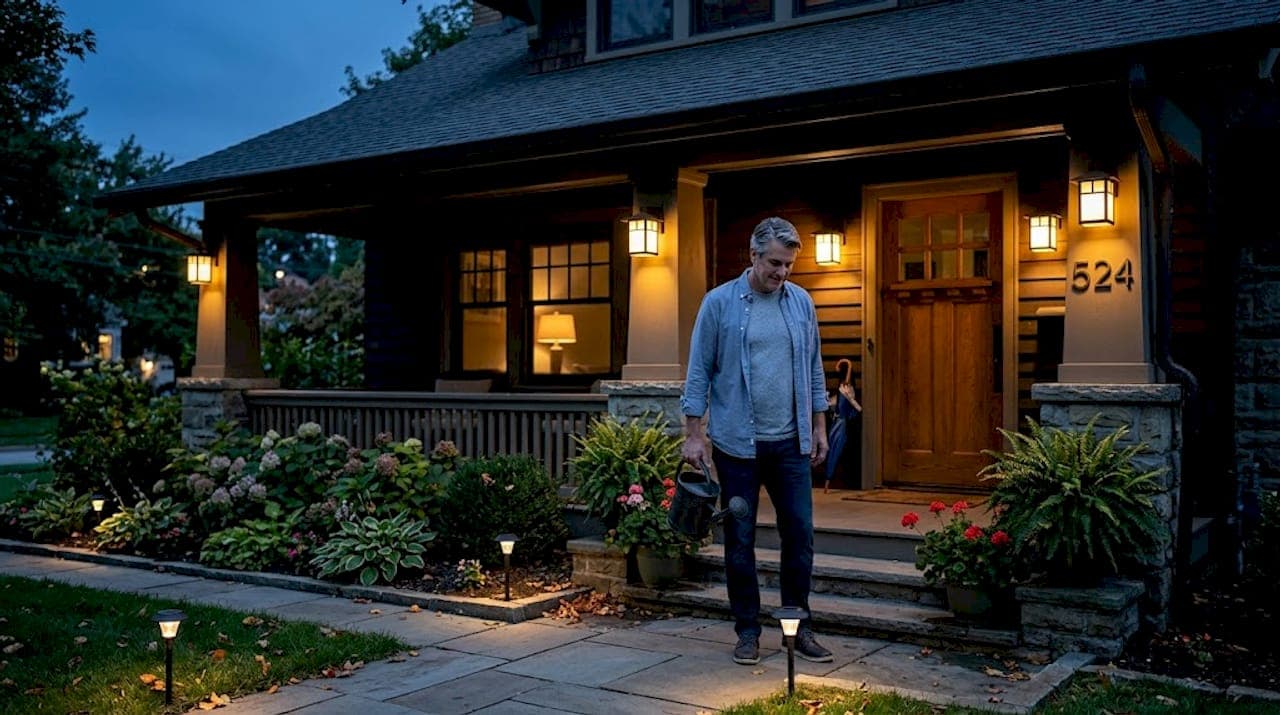
Most homeowners assume that flooding their yard with bright light is the fastest route to a beautiful and safe property. That assumption leads to some of the worst-looking and most uncomfortable outdoor spaces in Pittsburgh neighborhoods. The truth is that the most stunning homes at night use far less light than you might expect, and far more intention. Outdoor lighting aesthetics shape your mood, your safety, your curb appeal, and even your property value. This guide breaks down exactly how to get all of that right, with practical strategies designed for Pittsburgh homes and the specific challenges that come with them.
Table of Contents
- Why aesthetics matter in outdoor lighting
- Principles of aesthetic outdoor lighting design
- Balancing aesthetics, safety, and environmental concerns
- Layered lighting: Real-world applications for Pittsburgh homes
- Why less is more: What most outdoor lighting projects miss
- Get expert help for stylish and safe outdoor lighting
- Frequently asked questions
Key Takeaways
| Point | Details |
|---|---|
| Aesthetics enhance value | Aesthetic lighting boosts curb appeal, home enjoyment, and perceived value. |
| Layered lighting creates depth | Combining ambient, accent, and task lights shapes beautiful and functional outdoor spaces. |
| Balance is essential | Effective outdoor lighting addresses aesthetics, safety, and the environment. |
| Professional guidance helps | A designer can create a unique, beautiful, and practical lighting plan tailored for your home. |
Why aesthetics matter in outdoor lighting
Aesthetics in outdoor lighting means more than picking an attractive fixture at a home improvement store. It refers to how light interacts with your home's materials, landscaping, architecture, and surroundings to create a unified, emotionally resonant scene. Think of it less like installing a utility and more like composing a painting that happens to glow.
The impact on curb appeal is immediate and measurable. A well-lit home signals care, taste, and investment. It draws the eye naturally, highlights architectural details you are proud of, and creates a sense of warmth that makes guests feel welcome before they even reach the front door.
Beyond first impressions, good lighting design has real financial weight. Studies consistently link improved exterior presentation to increased home sale prices, and strategic lighting is one of the most cost-effective ways to elevate that presentation. For Pittsburgh homeowners looking to compete in a dynamic real estate market, enhancing Pittsburgh homes with thoughtful lighting is a practical investment, not just an aesthetic luxury.
There is also an emotional dimension that often gets overlooked. A beautifully lit backyard transforms how you use your outdoor space at night. You linger longer, entertain more comfortably, and feel a stronger connection to your home. That emotional payoff is real and consistent.
Here is how lighting layers contribute to this experience:
- Ambient lighting provides the overall base illumination, setting the general tone and ensuring the space feels open rather than shadowy or ominous
- Accent lighting draws attention to specific features like a stone facade, mature tree, or garden sculpture, adding drama and visual interest
- Task lighting serves functional needs at pathways, steps, and entry points, guiding movement safely without dominating the scene
As lighting architects note, layered lighting works by guiding light for paths, accenting materials, and giving presence to greenery. Each layer has a distinct role, and the magic happens when they work together without any single layer overwhelming the others.
"A well-designed outdoor lighting scheme should feel inevitable, like the house was always meant to look this way after dark."
Principles of aesthetic outdoor lighting design
With the foundation in place, the question becomes: how do you actually make these aesthetic decisions well? There are four core principles that separate amateur setups from professional-grade results.
1. Hierarchy and restraint
Not every feature of your home deserves equal attention at night. Aesthetic lighting prioritizes a clear visual hierarchy. Your front entry or a dramatic architectural feature should be the star, with surrounding elements playing supporting roles. When everything is equally lit, nothing stands out and the result feels flat, institutional, and oddly threatening rather than welcoming.
This is why restraint is not just an aesthetic preference but a design tool. Fewer, well-placed fixtures almost always outperform a high volume of poorly aimed ones.
2. Color temperature (CCT) and material enhancement
Color temperature is measured in Kelvin (K) and describes whether light appears warm (yellowish) or cool (bluish white). For most residential outdoor applications, warm white light in the 2700K to 3000K range brings out the richness of natural materials like brick, wood, stone, and copper, creating depth and a sense of comfort.
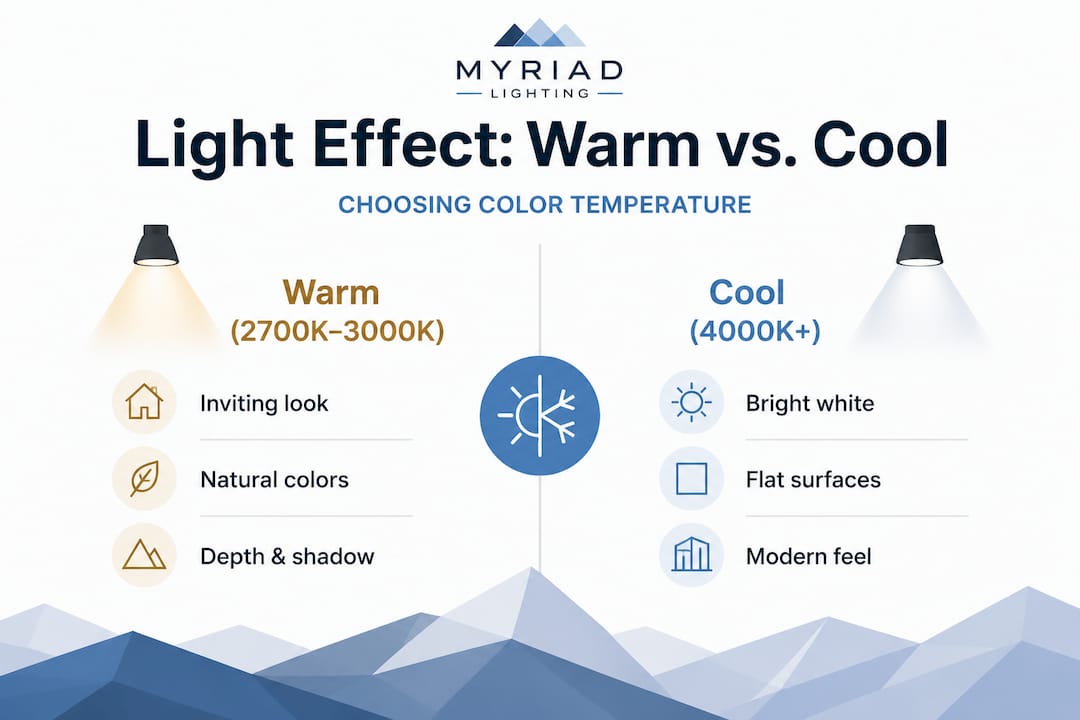
Cooler temperatures above 4000K tend to make materials look flat and clinical, which can work well for commercial settings but rarely serves residential aesthetics. Understanding how professional design features incorporate CCT choices is one of the fastest ways to elevate your results.
3. The art of shadow and depth
Here is something most people get completely wrong: shadows are not a failure of outdoor lighting. They are a feature. Controlled shadows create depth, texture, and visual intrigue. A grazing light across a stone wall makes the texture pop in a way that direct, head-on illumination never could. A single uplight beneath a tree casts dramatic shadows that make the canopy feel alive.
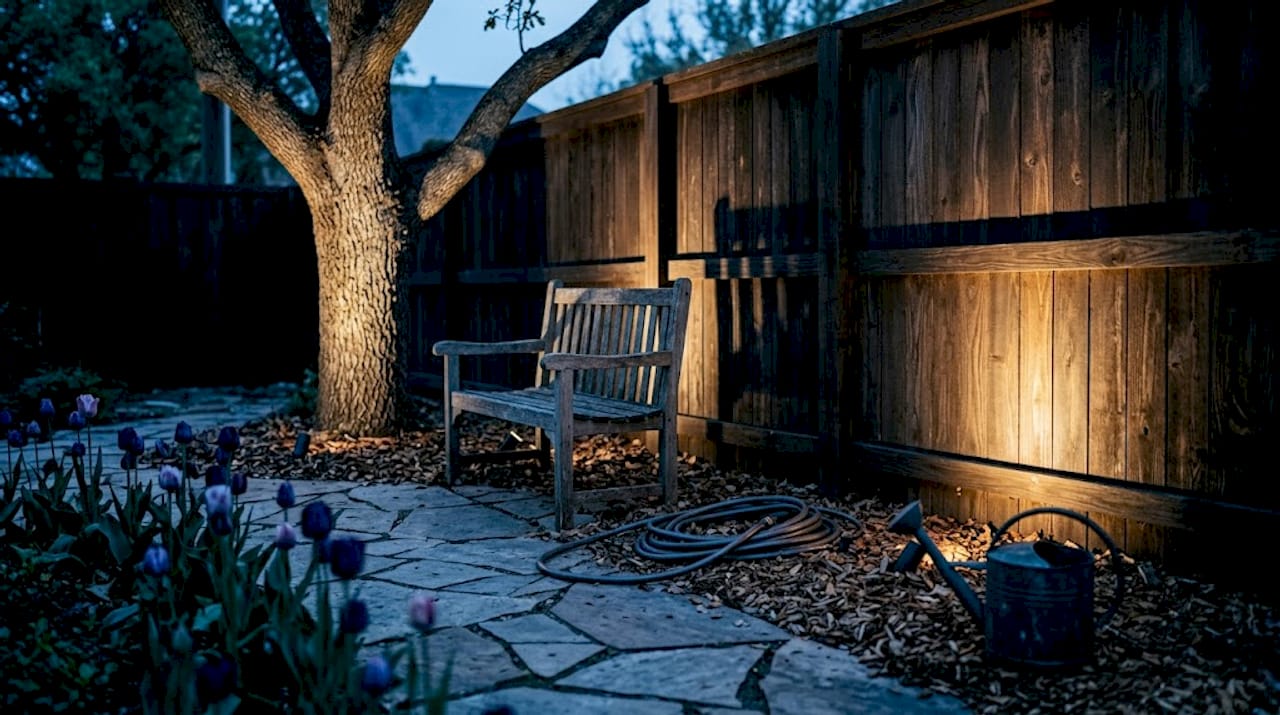
Over-lighting flattens space and eliminates these shadows, producing a yard that looks like a parking garage rather than a home. Penumbra, the soft gradation between lit and dark areas, is essential for visual depth and comfort.
4. Glare control for safety and comfort
Glare is one of the most common and damaging outdoor lighting mistakes. An unshielded bulb pointed toward a walkway creates a spotlight effect that actually makes it harder for your eyes to adjust and see clearly, especially for older visitors. Shielded fixtures that direct light downward or at a specific angle solve this problem while also contributing to a more polished look.
Pro Tip: Choose fixtures with a color temperature between 2700K and 3000K for warmth and depth. Use shielded or recessed designs to minimize glare and reduce light spill onto neighboring properties.
Here is a quick comparison to help with fixture decisions:
| Feature | Warm CCT (2700K–3000K) | Cool CCT (4000K+) |
|---|---|---|
| Material appearance | Rich, natural, inviting | Flat, stark, clinical |
| Mood created | Comfortable and welcoming | Alert and functional |
| Best use | Residential landscapes | Commercial security lighting |
| Glare risk | Lower with shielding | Higher, more intense |
| Light pollution | Less noticeable | More disruptive to sky |
Balancing aesthetics, safety, and environmental concerns
One of the most common traps homeowners fall into is assuming that safety and beauty are competing priorities. They are not. In fact, the best-designed lighting systems achieve both simultaneously, and understanding the relationship between the two changes how you approach every decision.
The "runway effect" is a perfect example of this conflict playing out badly. When pathway lights are spaced too closely or too brightly, they create a bright, uniform ribbon of light that actually draws the eye along the ground rather than helping you navigate safely. Over-lighting reduces perception and safety through glare. Studies actually find that people prefer continuous, warm-toned lighting for both comfort and their perception of personal safety.
Environmental impact is another layer that Pittsburgh homeowners increasingly care about. Unshielded fixtures harm wildlife and ecosystems, waste energy, and contribute to light pollution that diminishes everyone's view of the night sky. Pittsburgh's urban and suburban mix means that light spill can affect neighbors and local wildlife corridors more than homeowners often realize.
Pittsburgh also presents specific seasonal challenges that are not always factored into national lighting guides. The freeze-thaw cycles that characterize a Western Pennsylvania winter are brutal on outdoor fixtures. Expansion and contraction caused by repeated freezing and thawing can crack housings, damage seals, and corrode electrical connections over time. Fixtures rated for durable outdoor use in variable climates are not optional here, they are essential.
Here is a summary of best practices for achieving safe, beautiful, and eco-friendly outdoor lighting:
- Use fully shielded fixtures that direct light downward or toward a specific target, minimizing upward spill
- Select warm color temperatures (2700K to 3000K) for both aesthetic appeal and reduced sky glow
- Space pathway lights strategically to guide without creating harsh runway effects
- Choose fixtures rated for freeze-thaw durability and check seals and connections annually
- Use timers or smart controls to limit lighting hours and reduce energy waste overnight
- Avoid lighting features that do not need illumination; greenery and fences rarely benefit from being lit
| Concern | Common mistake | Better approach |
|---|---|---|
| Safety | Maximum brightness everywhere | Targeted, shielded, warm lighting |
| Aesthetics | Too many fixtures, no hierarchy | Fewer fixtures, deliberate focal points |
| Environment | Unshielded fixtures pointing up | Full-cutoff designs, warmer CCT |
| Winter durability | Standard-grade fixtures | Weather-rated, freeze-thaw resistant materials |
Pro Tip: For Pittsburgh yards, use continuous, warm-toned lighting along pathways and entries rather than bright spotlighting. This improves both curb appeal lighting strategies and the perceived sense of safety for anyone approaching your home.
For more detail on avoiding common missteps, the lighting safety tips on the Myriad Lighting blog cover real-world scenarios in depth.
Layered lighting: Real-world applications for Pittsburgh homes
Understanding the layers of lighting in theory is one thing. Knowing where to put each type in an actual Pittsburgh yard is where the real transformation happens. Here is a practical, step-by-step approach to building a layered outdoor lighting scheme from the ground up.
Step 1: Start with ambient lighting
Establish your foundational level of illumination first. For most homes, this means wall-mounted fixtures at entries, soffit lights along the roofline, or low-level post lights in the yard. These set the overall visibility and tone without yet highlighting any specific features. Keep this layer warm and unobtrusive.
Step 2: Add pathway and task lighting
Once ambient light is established, map out the functional needs. Where do people walk at night? Where are steps, grade changes, or tripping hazards? Pathway lighting at these points should be subtle and directional, guiding movement without turning the yard into a runway. Bollard lights, step lights, and low-profile path fixtures all work well here.
Step 3: Layer in accent and focal-point lighting
This is where personality comes in. Choose two or three features worth highlighting: a mature oak tree, a front-facing gabled wall, a stone retaining wall, or a water feature. Layered landscape lighting using ambient, task, and accent approaches creates depth, highlights features, and maintains the shadows that add visual interest and texture.
Uplighting works beautifully for trees and tall architectural features. Grazing lights work better for textured surfaces. Silhouetting, where a fixture illuminates behind a plant or feature to create a dark shape against a glowing background, adds a dramatic effect that surprises most homeowners the first time they see it done well.
Pro Tip: When combining fixture styles, keep the finish and color temperature consistent across all three layers. Mixing brushed nickel with oil-rubbed bronze, or 2700K with 4000K bulbs, creates visual noise that undermines the harmony you are trying to build. Local professionals know which fixture materials handle Pittsburgh's weather without corroding or fading after one hard winter.
The result of a properly layered system is a yard that feels dynamic and interesting at night while remaining completely comfortable and safe to move through. Drama without harshness. Beauty without sacrifice.
Why less is more: What most outdoor lighting projects miss
After spending years working on outdoor lighting projects across Pittsburgh, one pattern becomes impossible to ignore: most homes are over-lit, under-designed, and missing the point entirely.
Homeowners invest in lighting because they want safety and beauty. But in practice, they often end up with a ring of floodlights that washes every surface in flat, cold light, eliminates every shadow, and makes the yard feel more like a parking structure than a place to relax. That is not safety. That is discomfort with a higher electric bill.
Aesthetics prioritize hierarchy over uniform brightness, and over-lighting can actively reduce safety by increasing glare and disorienting visitors whose eyes cannot adjust between bright and dark zones. The instinct to add more light is almost always the wrong response to a lighting problem.
What actually works is designing with restraint, intention, and an artistic eye. Treating shadows as assets. Choosing fixtures for their shielding and beam control, not just their wattage. Thinking about how each light interacts with the materials and greenery around it rather than just illuminating a zone.
We would encourage any Pittsburgh homeowner to ask their lighting contractor one simple question before any work begins: "Where will the shadows fall?" If they cannot answer that, they are not thinking about aesthetics at all. They are just installing hardware. The best outdoor lighting results come from professional design expertise that treats your home as a unique creative challenge, not a standard installation job.
Get expert help for stylish and safe outdoor lighting
Designing a layered, beautiful, and safe outdoor lighting system is genuinely rewarding, but it takes the right expertise to get all the details right, especially in Pittsburgh's climate.

At Myriad Lighting, we work with Pittsburgh homeowners to design and install custom outdoor lighting systems that reflect your home's personality while addressing real-world concerns like weather durability, glare control, and energy efficiency. From landscape lighting services that highlight your yard's best features year-round, to professionally managed holiday lighting solutions that make every season memorable, our team handles every detail from the initial consultation through final adjustments. Reach out today to schedule a consultation and see what your home looks like when lighting is treated as an art.
Frequently asked questions
What is the best color temperature for outdoor lighting aesthetics?
Warm color temperatures in the 2700K to 3000K range enhance depth, comfort, and curb appeal for most homes by bringing out the natural richness of exterior materials.
How can I prevent light pollution with my outdoor lighting?
Use shielded, full-cutoff fixtures that aim light downward, choose warm color temperatures, and avoid over-lighting surfaces that do not need illumination to protect both the environment and your neighbors.
Is more lighting always safer for my yard?
No. Over-lighting increases glare and can actually reduce visibility and safety; consistent, warm-toned lighting at key points improves both comfort and the perception of security.
What outdoor lighting works best for Pittsburgh winters?
Choose durable, weather-rated fixtures specifically designed to handle freeze-thaw cycles, and inspect seals and electrical connections at the start of each season to catch wear before it causes failures.